
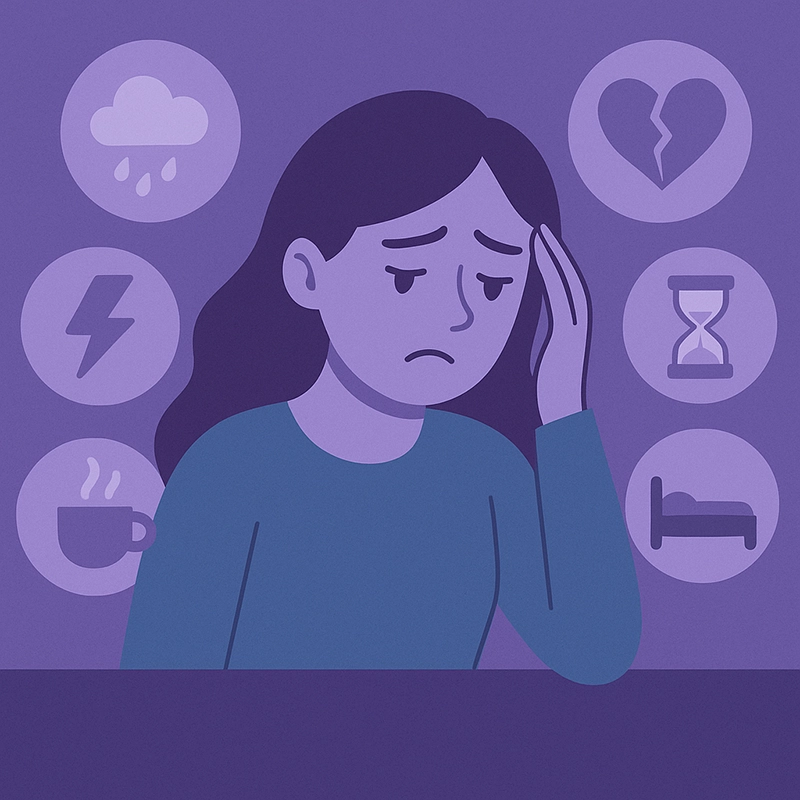
Causes of Depersonalization: The 7 Most Common Triggers Backed by Research
Depersonalization is a dissociative response where you feel disconnected from yourself — as if you’re observing your thoughts, emotions, or body from the outside. It can feel frightening and confusing, especially if you don’t understand what triggered it.
The good news: depersonalization is common, reversible, and tied to very real nervous-system processes. Once you understand the causes, it becomes much easier to break the cycle.
1. Anxiety & Panic Attacks
During intense anxiety, your brain becomes overloaded. When stress hormones surge and your thoughts spiral, the brain sometimes responds by temporarily creating distance from your emotions or bodily sensations.
This can lead to:
- Feeling disconnected from your body
- “Watching yourself” instead of experiencing yourself
- Feeling numb or blank
- Hearing your voice as unfamiliar
It’s the brain’s way of reducing overwhelming emotional input — not a sign of danger.
2. Chronic Stress & Burnout
Long-term overwhelm exhausts the nervous system. When you’re constantly pushing through stress without rest, your brain may switch into a low-energy, protective mode.
Symptoms include:
- Emotional numbness
- Feeling like you’re on autopilot
- Reduced ability to “feel like yourself”
This dissociative response often fades once the stress cycle is broken.
3. Sleep Deprivation
Not sleeping — or sleeping poorly for several nights — disrupts the brain’s ability to regulate perception and emotional processing.
Studies show sleep loss can trigger:
- Derealization
- Depersonalization
- Brain fog
- Emotional flattening
Restoring healthy sleep often reduces depersonalization significantly.
4. Trauma or Emotional Shock
Depersonalization is one of the mind’s oldest coping mechanisms. When something emotionally overwhelming happens — whether recent or old — the brain may create a sense of separation to protect you.
This doesn’t mean new trauma must occur; often old unresolved stress can resurface during life changes.
5. Substance Use (Caffeine, Cannabis, Alcohol)
Some people experience depersonalization after using certain substances, especially if they already struggle with anxiety.
Common triggers include:
- Strong coffee or energy drinks
- THC-induced anxiety or panic
- Alcohol withdrawal or hangovers
The nervous system becomes overstimulated or destabilized, creating DP symptoms.
6. Hyper-Focusing on Bodily Sensations
Anxiety makes people overly aware of things they normally don’t notice. When you start paying too much attention to your thoughts, breathing, or heartbeat, it can create a sense of strangeness or detachment.
This hyper-awareness often leads people to feel “not like themselves.”
7. Major Life Transitions
Changes such as moving, breakups, new jobs, graduating, or loss can overwhelm your emotional processing.
Even positive changes can disrupt your sense of identity. Depersonalization often appears during these transitions as your brain tries to stabilize itself.
Depersonalization Feels Scary — But It’s Reversible
You are not broken, and you’re not losing yourself. Depersonalization is a stress response, not a permanent condition or a sign of severe illness.
When the underlying causes are addressed — reducing stress, improving sleep, grounding the body — the sense of disconnection softens.
The more you understand your triggers, the more control you regain.
Presently includes grounding tools designed to calm depersonalization and anxiety — breathing guides, sensory exercises, gentle audio, and an emergency mode for overwhelming moments.