
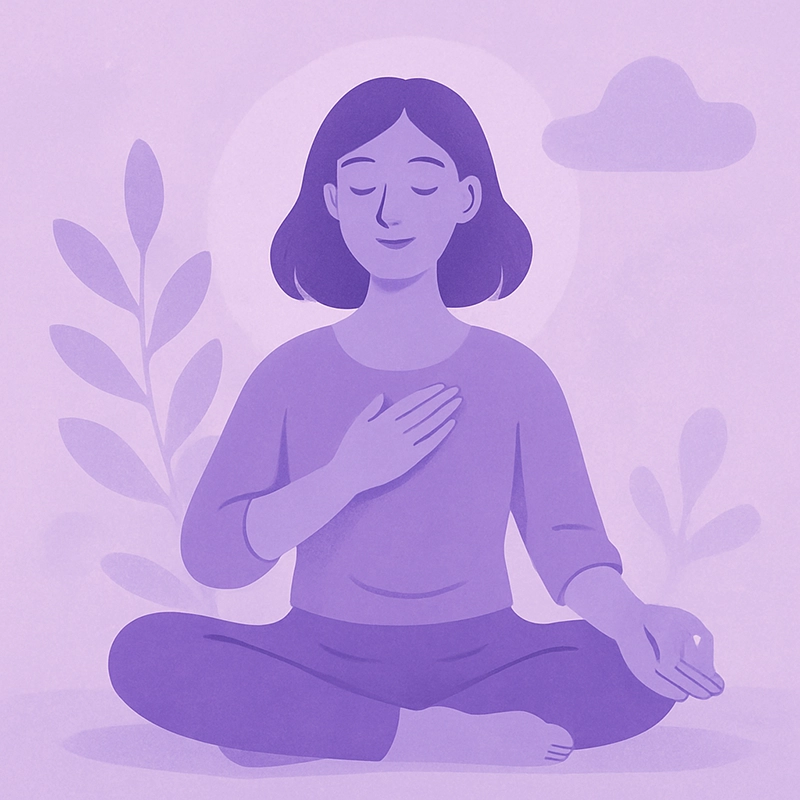
Techniques That Help the Brain Reconnect
When you’re stuck in depersonalization, it can feel like you’re watching yourself from the outside — or like your emotions are muted, distant, or foggy. But depersonalization is not a permanent state. It’s a reversible stress response, and there are gentle, natural ways to help the brain come back online.
This guide focuses on non-forceful techniques that reduce the nervous system’s alarm state, allowing presence and connection to return naturally.
1. Stop Trying to “Snap Out of It”
Trying to force yourself to feel normal often makes DP worse. The brain reads this pressure as danger. Instead of fighting the sensation, shift toward allowing and observing it.
Tell yourself:
- “This feeling is uncomfortable, but it’s safe.”
- “My brain is in protection mode — this will pass.”
- “I don’t need to fix this right now.”
Removing urgency helps the nervous system settle.
2. Engage Your Senses to Bring the Body Back Online
Sensory grounding interrupts the internal “freeze” loop that fuels depersonalization.
Try:
- Temperature change (warm mug, cool water on hands)
- Texture (a smooth stone, a soft blanket, anything tactile)
- Smell (essential oils, scented lotion, fresh air)
- Sound (gentle music, environmental noise, humming)
You’re not grounding to “stop DP” — you’re grounding to make your body feel safe again.
3. Use Slow, Long Exhales (Vagus Nerve Activation)
Depersonalization thrives when the nervous system is in high alert. Slow breathing with long exhales directly signals safety.
Try this pattern:
- Inhale for 4 seconds
- Exhale for 6–8 seconds
- Repeat for 1–2 minutes
Even 30 seconds can noticeably soften the detached feeling.
4. Move Your Body (Even Slightly)
Depersonalization often comes from a “freeze” response. Movement tells the brain the threat has passed.
Helpful options:
- Slow walking
- Stretching your arms overhead
- Neck and shoulder rolls
- Shaking out hands or legs
Motion reactivates presence.
5. Label What You’re Feeling — This Reduces Alarm Signals
Putting words to the experience reduces fear and calms the emotional centers of the brain.
Examples:
- “I notice a floaty sensation.”
- “I feel disconnected, but I’m safe.”
- “My body is trying to protect me.”
This simple step lowers DP intensity over time.
6. Reduce Internal Monitoring
Constantly checking:
- “Do I feel like myself yet?”
- “Is this still happening?”
- “Do things feel real?”
…keeps the brain stuck in the DP loop.
Try redirecting attention outward instead of inward.
7. Soft Distraction (Not Avoidance)
You don’t need to force productivity — gentle engagement is enough.
Try:
- Watering plants
- Light cleaning
- Listening to a podcast
- Drawing, coloring, or grouding tools on Presently 🙂.
These help reconnect without overwhelming the system.
8. The Most Important Part: Reducing Fear of the Sensation
Nearly every long-term DPDR recovery story includes this turning point:
“I stopped fearing the sensations.”
Once fear reduces, the brain no longer sees dissociation as necessary — and the fog naturally lifts.
You Can Come Back to Yourself
Depersonalization is reversible. Your brain is not broken — it’s overwhelmed.
As your nervous system calms, your sense of self returns. These techniques help you shorten the duration, reduce intensity, and feel more grounded each time it happens.
Presently includes grounding tools designed specifically for DPDR — from sensory grounding to breathing to soothing audio. They’re built to gently guide your system back toward presence.