
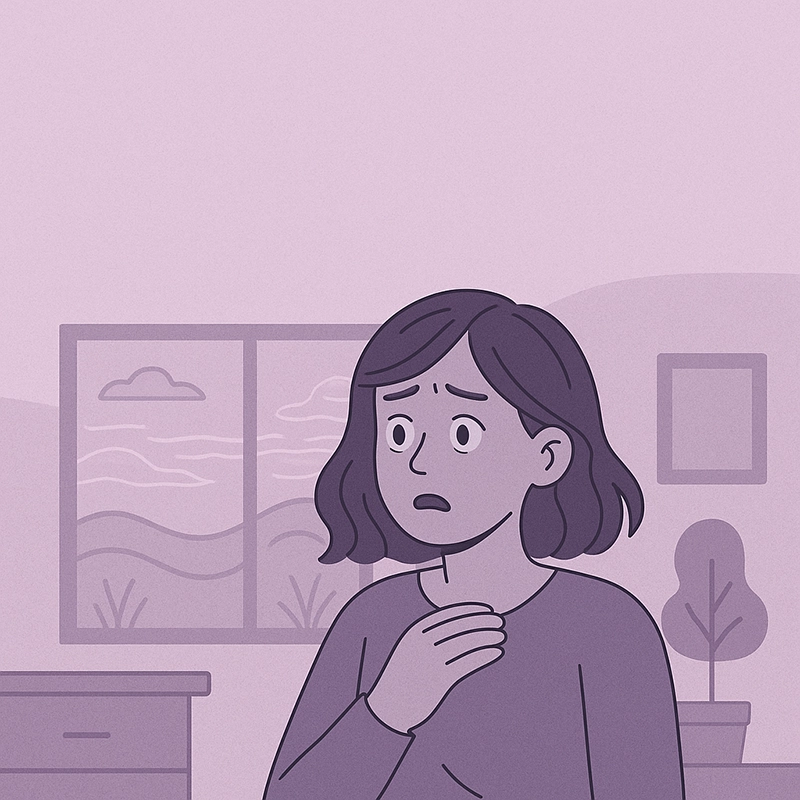
What a Derealization Episode Feels Like: Real Descriptions That Make You Feel Understood
If you’ve ever had a moment where the world suddenly felt wrong, distant, or dreamlike, you might have experienced derealization. It can come out of nowhere — in a grocery store, at work, on the couch, talking to a friend — and suddenly it’s like someone changed the filter on reality.
Many people leave these episodes thinking, “How do I even describe this?” This article is meant to put words to that feeling, so you don’t have to carry it alone.
First: What Is a Derealization Episode?
A derealization episode is a period of time when your surroundings feel unreal, distorted, or “off.” You still know where you are, you still recognize people and objects, and you know the world hasn’t actually changed — but your experience of it has.
It’s like your senses are receiving the information, but your brain isn’t processing it in the usual way.
What Derealization Feels Like (In People’s Own Words)
Here are some common ways people describe a derealization episode:
- “It feels like I’m inside a movie set of my life, not the real thing.”
- “Everything looks the same but feels emotionally flat, like someone turned the volume down on reality.”
- “It’s like there’s a layer of glass between me and the world.”
- “I know I’m at home, but it feels like I’m visiting a place that just looks like my home.”
- “Sometimes things look too bright or too sharp, like the contrast is turned up.”
- “People’s faces look slightly unfamiliar, even though I know exactly who they are.”
If any of these resonate with you, you’re not imagining it — they’re classic ways people describe derealization.
Common Sensory Changes During an Episode
A derealization episode often comes with subtle changes in how your senses work together. You might notice:
- Vision: Things look flat, too bright, too dim, or slightly “off,” like the saturation changed.
- Hearing: Sounds may feel muted, distant, or strangely loud and echoey.
- Time: Time can feel slowed down, sped up, or strangely disconnected from what you’re doing.
- Space: Rooms can feel bigger or smaller than they really are, or like you’re looking at them through a lens.
These changes can feel deeply unsettling, but they are a known response of an overwhelmed nervous system — not a sign that you’re losing control.
What Usually Triggers an Episode?
Derealization episodes often show up when your brain feels overloaded. Common triggers include:
- Anxiety or panic attacks
- Chronic stress and burnout
- Lack of sleep
- Overstimulation (bright lights, lots of noise, crowded places)
- Big emotional changes or transitions
Sometimes derealization appears a few minutes after a stressful moment, and sometimes it shows up hours later when your body finally starts to “come down” from stress.
Why Derealization Feels So Scary
Derealization feels threatening because it affects the most basic thing we rely on: the feeling that the world around us is stable and familiar. When that feeling changes, your brain naturally jumps to fear-based questions:
- “What if I stay like this forever?”
- “What if this means I’m losing my mind?”
- “What if something is seriously wrong with my brain?”
The truth is: derealization is a stress response, not a sign of permanent damage. Your brain is trying to protect you by turning down emotional and sensory intensity, not trying to harm you.
During an Episode: You Are Still Here
One grounding truth to remember: even when everything feels unreal, you are still here. Your awareness of the strangeness is actually proof that your sense of reality is intact.
People often say:
- “I feel far away from life, but I’m still able to talk, work, or move.”
- “I can still make decisions and function — I just feel disconnected while I do it.”
This gap between how things look and how they feel is at the core of derealization.
Gentle Ways to Ground Yourself During a Derealization Episode
You may not be able to instantly “turn it off,” but you can create conditions that help your nervous system feel safer and gradually soften the episode.
1. Anchor to One Object
Pick one object near you — a cup, a pillow, your phone. Notice its color, shape, texture, and weight. Let your attention rest on something simple and real.
2. Engage Your Senses
Touch something textured, sip water, smell a familiar scent (like soap, coffee, or a candle). Sensory input reminds your brain, “I am in a real place right now.”
3. Feel Your Body Contact
Press your feet into the floor or notice where your body touches the chair, bed, or couch. You don’t have to like the feeling — just notice it.
4. Slow Your Breathing
Inhale through your nose for a count of four, exhale gently for a count of six. Longer exhales signal safety to the nervous system.
5. Remind Yourself What’s Happening
You can repeat to yourself:
- “This is derealization. It’s a stress response.”
- “My brain is overwhelmed, not broken.”
- “This feeling is temporary, even if it’s intense right now.”
You’re Not Alone in This Experience
Derealization episodes can feel isolating, like you’re the only person who has ever felt this way. But many people with anxiety, DPDR, and chronic stress experience them — and many see them fade over time as their nervous system becomes safer and more regulated.
You deserve tools, understanding, and support while you navigate this. You don’t have to explain it perfectly for it to be real.
Presently includes grounding tools built specifically for moments like these — quick sensory exercises, breathing guides, calming audio, and an “Emergency” section you can open during a derealization episode.